Real-Time Room Availability Made Easy: Tools Every Hotel Needs
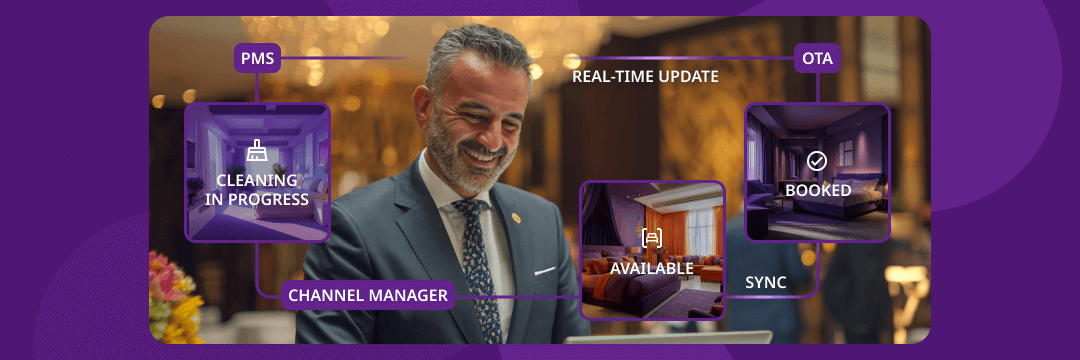
In today’s hospitality market, providing real-time room availability on your hotel website is no longer optional — it’s essential. Guests want instant access to room options and rates, and any delay or mistake can lead to lost revenue, operational inefficiencies, and unhappy customers. Here’s why having up-to-date room availability on your website is important and how to achieve this.
The Hidden Dangers of Outdated Room Availability
Not keeping your room availability up to date can put your hotel in a tricky spot. Here’s what’s at stake:
1. Higher risk of overbooking
If your system doesn’t show real-time availability, your front desk could accidentally double-book rooms or rely on outdated OTA info. The result is frustrated guests, negative reviews, and costly compensation — definitely not the kind of surprise anyone wants.
2. More manual work and mistakes
Keeping track of room inventory by hand is tedious and prone to errors. Your staff ends up constantly checking availability, reconciling bookings, and adjusting rates. It’s exhausting and can easily lead to confusion and unhappy guests if mistakes happen.
3. Lost revenue from unsold rooms
Rooms reserved for overbooking or unexpected walk-ins may remain empty that results in lost revenue. Every vacant room is a missed opportunity, especially during busy periods when demand is high.
4. Lower profit margins
If you’re not controlling your inventory properly, a big chunk of your rooms may end up on OTAs with higher commissions. That means less profit for your hotel and fewer chances to get valuable hotel direct bookings.
How to Prevent Overbooking and Mistakes with a Channel Manager
A channel manager is like having a well-organized assistant who never sleeps. It connects your website, OTAs, and other booking platforms, so that every reservation is reflected instantly across all channels. That means if someone books a room on your website, your availability is updated everywhere else right away — no double bookings, no confusion.
But it’s more than just preventing mistakes. For example, Exely Channel Manager also takes the busywork off your team’s shoulders. Staff don’t have to spend hours juggling spreadsheets, checking multiple platforms, or manually adjusting rates. Instead, they can focus on what really matters: providing guests with a smooth, welcoming experience.
In short, the channel manager keeps everything running quietly in the background, so your team stays calm, your guests stay happy, and your hotel runs more efficiently and profitably — without the stress of constant manual updates.
How to Keep Your Room Availability Accurate with a PMS
A property management system (PMS) is like the command centre for your hotel. It keeps track of all your reservations, rates, and room inventory in one place, ensuring real-time room availability no matter where guests are booking — from your website to OTAs and beyond.
Like with a channel manager, you don’t have to juggle spreadsheets or cross-check multiple platforms. When a guest books a room, your availability updates automatically everywhere, helping you avoid double bookings and costly mistakes. This not only protects revenue but also improves hotel operational efficiency, allowing your staff to focus on delivering a pleasant guest experience.
But a solid platform like Exely PMS does much more than just track room availability. It’s the central hub that keeps your entire hotel running smoothly. Beyond updating inventory in real time, the PMS helps manage reservations, guest check-ins and check-outs, billing, housekeeping, and even reporting.
For instance, when a guest books a room, the PMS automatically updates availability across all channels, assigns the right room type, and notifies housekeeping so the room is ready on time. It also handles invoicing, payments, and refunds, reducing errors and saving staff hours of manual work.
Many PMS platforms also include tools for guest communication, like automated confirmation emails, pre-arrival messages, and post-stay surveys. This not only improves the guest experience but also helps build loyalty and encourages hotel direct bookings in the future.
On the operational side, a PMS gives you insight into everything from occupancy trends to revenue reports. You can track which room types are most popular, identify peak booking periods, and adjust pricing. And when a PMS is integrated with your booking engine, you can easily boost direct bookings while keeping full control of booking and guest management.
Tip: You can calculate how fast implementing a PMS will pay off in your case using this PMS ROI calculator.
Conclusion
Having real-time room availability isn’t just about technology. It’s about giving guests confidence and keeping your team in control. When your systems are connected and updated automatically, you reduce mistakes, save time, and make smarter decisions about pricing and distribution. The result is a better operation, happier guests, and more direct bookings that boost your bottom line.
Frequently Asked Questions (FAQ)
-
Do small hotels really need systems like a PMS or channel manager?
Absolutely. Even for smaller properties, these tools save hours of manual work and reduce the chance of mistakes. They let owners focus on guest experience instead of admin tasks. -
Will using new systems be complicated for my staff?
Not at all. Modern software is designed to be user-friendly and intuitive. Most providers offer onboarding and training, so your team can get comfortable quickly. -
Can I still manage bookings manually if I prefer?
You can, but it’s risky. Manual updates take time and make it easy for mistakes to slip through. Automated systems do the heavy lifting for you and help keep everything in sync. -
How soon will I notice a difference after implementing these tools?
Usually within weeks. You’ll see fewer booking errors, smoother communication between your team and guests, and often an increase in direct bookings once everything runs more efficiently.